 admin
adminThe Amalfi Coast remains one of the most magnetic coastlines in the Mediterranean, where cliffs tumble into turquoise water, lemon groves scent the air, and pastel villages cling to impossibly steep slopes.
Whether seeking luxury, slow travel, or outdoor adventure, this coastline delivers a mix of iconic views and quieter corners.
Why go
The appeal is simple: dramatic scenery, rich culinary traditions, and a compact region that rewards both wandering and lingering.
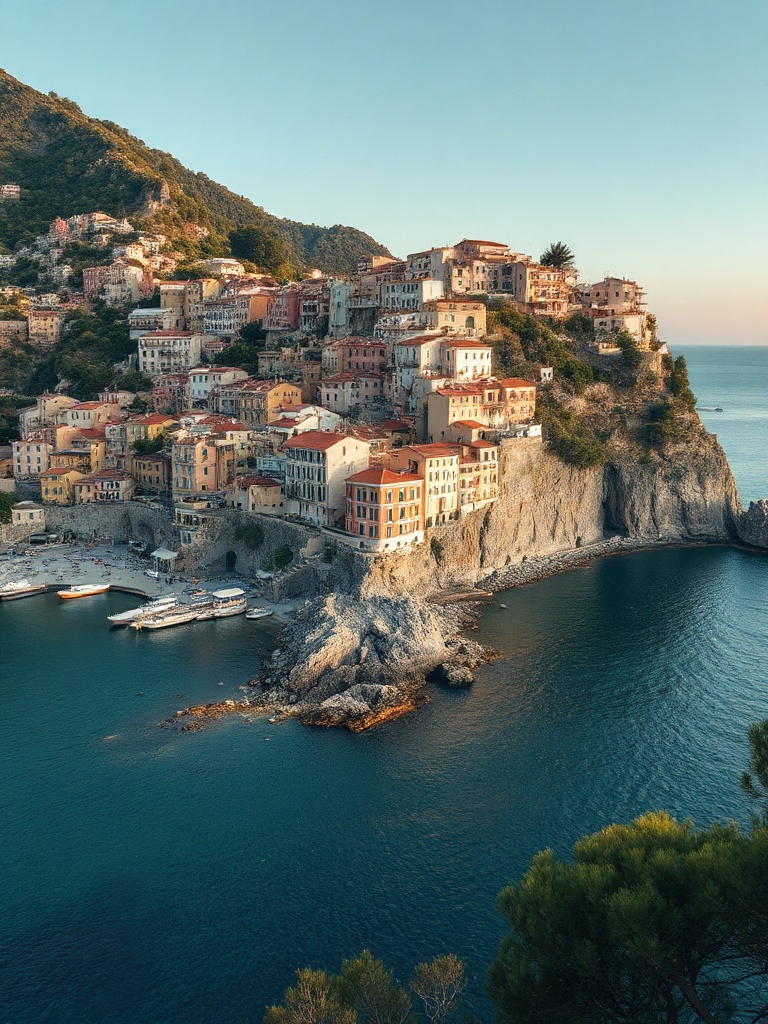
Towns like Positano, Amalfi, and Ravello offer picture-postcard vistas, while lesser-known spots—Praiano, Atrani, and Cetara—deliver authentic charm with fewer crowds. The region’s UNESCO recognition underscores its cultural and natural significance.
Top experiences
– Scenic drives: The coastal road (SS163) is legendary for hairpin turns and sweeping panoramas. Driving is rewarding but narrow roads and limited parking make buses and ferries attractive alternatives.
– Boat trips: Ferries and private boats connect towns and reveal sea caves, hidden coves, and dramatic cliff faces. A day on the water is the best way to appreciate the coastline’s scale.
– Hiking: The Path of the Gods (Sentiero degli Dei) offers cliff-edge trails with expansive views. Start from the mountain village of Bomerano or the hamlet of Nocelle; bring water, sturdy shoes, and sun protection.
– Culture and craft: Amalfi’s historic paper-making workshops and Vietri sul Mare’s hand-painted ceramics make memorable souvenirs. Local festivals and church squares showcase lively traditions.
– Food and drink: Seafood is central—fresh anchovies from Cetara and simple pasta al forno are highlights. Lemons flavor everything here: try limoncello, lemon desserts, and savory dishes made with local citrus.
Don’t miss a perfect espresso in a shaded piazza.
Practical tips
– Travel logistics: The nearest major airports are served by trains and shuttles to Naples and Sorrento; from there, buses, ferries, and private transfers reach the coast. Ferries are scenic and avoid traffic, while buses are economical.
– Avoid driving during peak hours: Narrow roads and aggressive local driving can be challenging. If driving, choose a small car and confirm parking options ahead of time.
– Book accommodations smartly: Popular towns fill quickly.
Consider staying in a quieter village and commuting to busier spots for day visits.
– Pack for stairs: Many hotels and eateries are reachable only by steps. Comfortable footwear and minimal luggage make exploration easier.
– Respect local life: Support family-run restaurants and artisans. Follow posted rules at beaches and protected areas to help preserve the landscape.
Sustainable travel pointers
The Amalfi Coast balances tourism and conservation. Opt for slower travel—ferries over taxis, public buses over rental cars—and choose eco-friendly accommodations when possible.
Avoid single-use plastics, stick to marked trails, and time visits to less busy hours to reduce congestion.
Hidden gems
For a break from iconic views, visit tiny Atrani’s cozy piazza, hike inland through lemon terraces, or enjoy a sunset from a secluded beach near Conca dei Marini. Seafood restaurants in Cetara and artisan shops in Vietri sul Mare reward those who stray off the main route.
The Amalfi Coast stays compelling for first-timers and returning travelers alike.
With thoughtful planning—respecting local rhythms, choosing sustainable transit, and leaving room for unplanned discoveries—visiting the coast becomes less about ticking off sights and more about savoring a landscape that feels timeless.
