 admin
adminParis still holds its reputation as one of the world’s most magnetic cities — a compact blend of grand boulevards, quiet alleys, world-class museums, and a food scene that rewards curiosity. Whether this is a first visit or a return, shaping an itinerary around neighborhoods rather than ticking landmarks off a list makes for a richer experience.
Top experiences to prioritize
– Stroll along the Seine: Walk the riverbanks at a relaxed pace, pause at bookstalls, and cross its historic bridges. A short boat cruise offers a different vantage on major monuments without the walking.
– Museum mix: The Louvre’s collection is vast; pick a wing or a theme and explore deliberately.
For late Impressionist and Belle Époque art, the Musée d’Orsay is a must.
Smaller museums—like a sculpture-focused house or a grand private mansion turned gallery—often deliver memorable, uncrowded experiences.
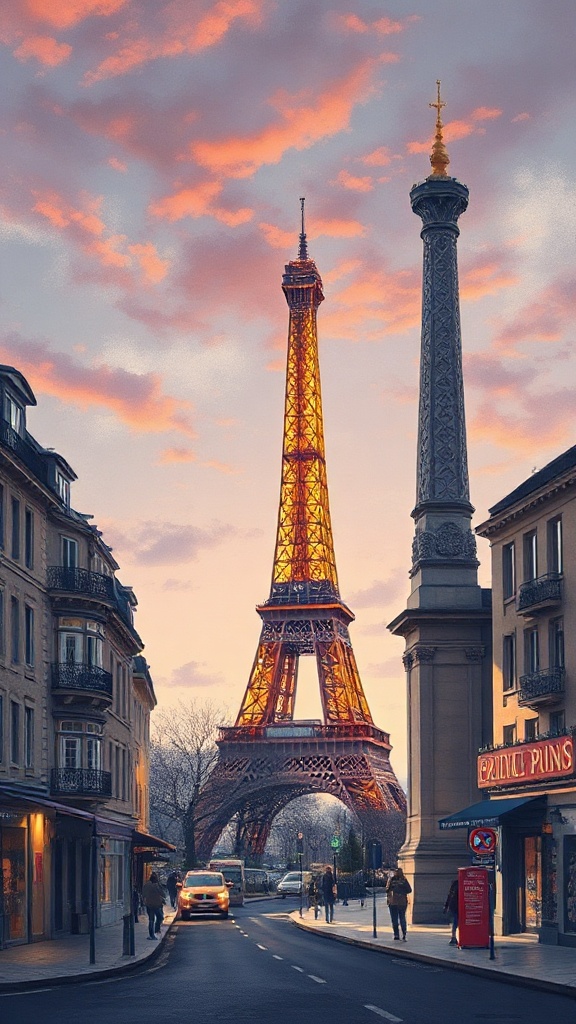
– Panoramic views: Climb or take the elevator to an elevated viewpoint for the city’s skyline — the reward is a sense of Paris’s layered architecture, from mansard roofs to modern silhouettes.
– Neighborhood immersion: Spend time in a single neighborhood. The Marais is ideal for history, independent boutiques, and Jewish and contemporary food scenes. Saint-Germain-des-Prés offers literary cafés and elegant shops. Montmartre keeps its village feel with cobbled streets and artists’ ateliers. Canal-side neighborhoods are excellent for leisurely evenings.
Food and drink
Parisian dining goes beyond formal dining rooms.
Neighborhood bistros serve terroir-driven, affordable plates at lunch; food markets and specialty shops supply perfect picnic fare.
Don’t miss morning pastries from an acclaimed patisserie — a properly laminated croissant or pain au chocolat is a small ritual.
For nightlife, look for lively bars and late-night cafés in areas known for live music and relaxed crowds.
Transport and getting around
The city is highly walkable, and many iconic areas are best explored on foot. The metro is efficient and covers virtually every corner; buying a multi-day pass can be cost-effective for heavy-use days.
Bike sharing and scooters offer flexible short-distance options, while river shuttles provide a scenic transit alternative.
Keep a map app handy for walking routes and note that some central streets are pedestrian-priority zones.
Practical tips
– Start popular visits early in the day or late afternoon to avoid peak crowds. Many museums and attractions publish timed-entry slots — reserving ahead saves time.
– Dress comfortably for cobblestones and variable weather. Layers are useful for sudden temperature shifts between morning and evening.
– Be mindful of pickpockets in high-traffic tourist zones; using a secure crossbody bag and remaining alert on crowded transit is wise.
– Cash remains handy for small markets and some cafés, though cards are widely accepted.
Discover quieter corners
When the major sights are lived-in, explore green spaces like hillside parks, elevated promenades on former railbeds, or riverside paths with locals out walking dogs and picnicking.
Small museums housed in private mansions or specialized collections reward those who stray from main thoroughfares.
Paris rewards slow travel. Allow free time for aimless wandering, café stops, and discovering a favorite bakery or bookshop.
With neighborhoods waiting to be explored and food and culture around every corner, the city offers endless reasons to return.
