 admin
adminParis is reshaping itself around cleaner air, calmer streets, and more living green. Once dominated by traffic-choked boulevards, large stretches of the city now favor people over cars: widened sidewalks, protected bike lanes, pedestrian-friendly riverbanks and an expanding network of parks and rooftop gardens. That shift is changing how Parisians move, eat, shop and relax — and offers visitors a fresher, more intimate way to experience the city.
What’s changing on the streets
Cycle infrastructure is one of the most visible changes. A growing web of protected lanes connects neighborhoods from the Marais to the Latin Quarter, making cycling a reliable daily option. Bike-share systems and numerous local rental shops let visitors pick the pace — whether a short hop across the Seine or a longer ride through leafy avenues. E-scooters and shared mobility options fill in the last-mile gaps, but riders should follow rules and park respectfully to keep sidewalks clear.
Seine and public spaces reimagined
The riverbanks are no longer just a transit corridor. Long stretches of the Seine have been opened up for walking, picnicking and cultural pop-ups, turning former carriageways into places to linger.
Seasonal initiatives often bring temporary beaches, outdoor concerts and food stands to riverfront promenades, giving both locals and visitors more ways to enjoy the city outdoors without stepping into a museum or café.
Parks, pocket gardens and urban farms
Beyond the well-known gardens, a network of smaller green spaces and community gardens invites exploration. Hidden courtyards and rooftop terraces offer quiet escapes from busy avenues, while larger parks provide varied landscapes — rolling lawns, wooded paths and water features.
Urban agriculture projects and rooftop farms supply local restaurants and markets, highlighting a local food movement that values traceability and seasonality.
Food, markets and neighborhood life
Sustainability also shows up in markets and restaurants. Neighborhood markets remain central to Parisian life, where seasonal produce, cheese stalls and baked goods meet daily routines. Many cafés and bistros increasingly source ingredients locally and emphasize plant-forward dishes, making it easier to eat a greener meal while sampling classic Parisian flavors.
Tips for experiencing green Paris
– Choose slow travel: walk, cycle or use public transit to really notice neighborhoods, façades and small shops.
– Rent a bike or use bike-share for medium-distance routes; bring or rent a simple lock and follow bike-lane rules.
– Visit parks early or late for quieter moments; lunchtime is lively but busier.
– Check local listings for pop-up events, markets and riverfront activities to catch seasonal offerings.
– Support small producers at markets and cafés focused on local sourcing.
Why it matters
The move toward greener streets isn’t just cosmetic.
Reduced traffic, improved air quality and more public meeting places foster stronger neighborhood life and healthier daily habits. For visitors, it means a city that feels more human-scale and easier to explore without a car.
For residents, it creates everyday opportunities to choose walking, cycling and eating locally.
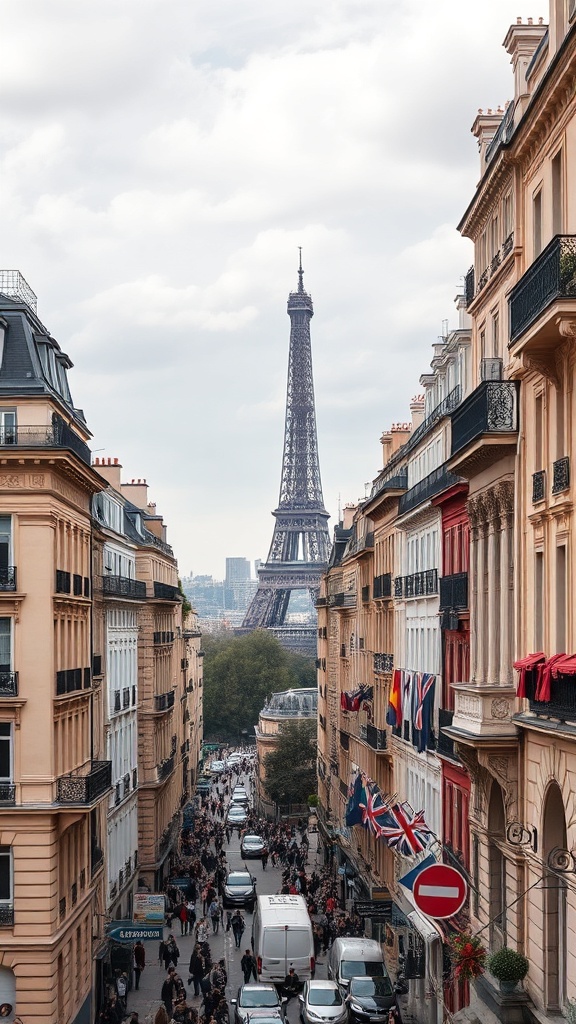
Paris balances historic charm with evolving urban design, and its green transformation makes familiar sights feel fresh.
Whether seeking a peaceful garden, a relaxed riverside picnic or a creative neighborhood market, the city’s quieter, greener corners are ready to be discovered.
