 admin
adminWhy cycling in Paris is the best way to see the city
Paris rewards slow travel. Trading métro stairs for pedal power opens up the city’s neighborhoods, riversides, parks, and hidden corners in a way that bus windows never can. Cycling reduces emissions, avoids traffic jams, and lets riders stop whenever a café terrace or a viewpoint catches the eye.
Practical benefits and what to expect
– Accessibility: Public bike-share systems and private e-bike rentals make a bike ride realistic for casual visitors and locals alike. Pay-as-you-go options and short-term passes remove the need to carry bike gear.
– Efficiency: Many of the city’s major sights are connected by a network of dedicated cycle lanes, riverside paths, and traffic-calmed streets, making point-to-point travel faster during busy hours.
– Health and sustainability: Pedaling through Paris is a low-impact way to explore that supports local goals for cleaner air and quieter streets.
Best routes for every type of rider
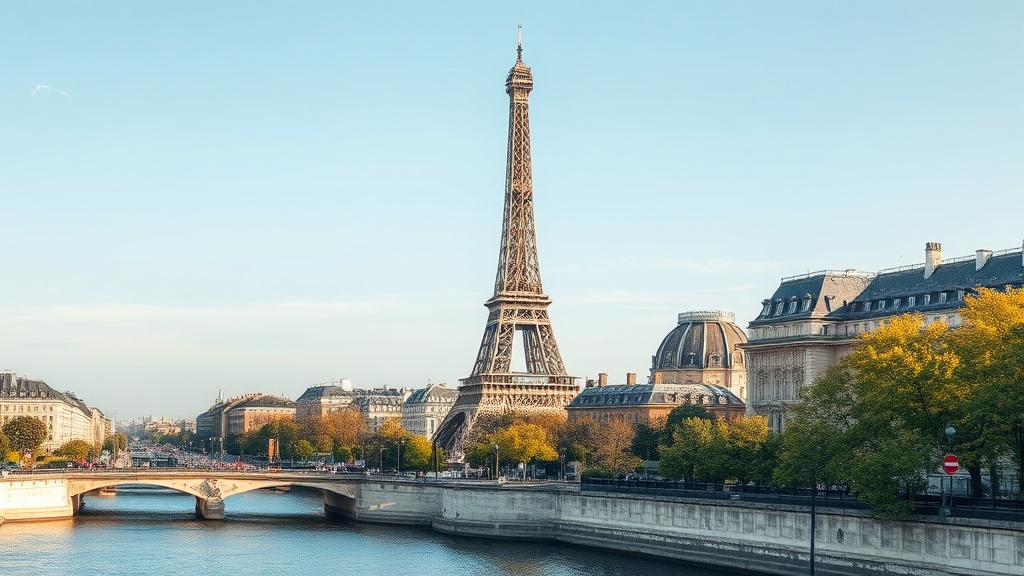
– Seine riverside promenade: Flat, scenic, and lined with landmarks.
This route is ideal for a relaxed ride past iconic bridges, bookstalls, and waterside cafés.
– Canal Saint-Martin: A more intimate, trendy route with locks, iron footbridges, and neighborhood bars—perfect for a late-afternoon ride that ends with a leisurely stop.
– Bois de Boulogne and Bois de Vincennes: For a break from urban density, these large green spaces offer longer loops, woodland paths, and lakeside scenery. Good for families and riders who enjoy longer uninterrupted stretches.
– Historic core and Left Bank: Combine cobbled streets with wide boulevards for a classic Parisian experience—think arrondissements, patisseries, and museum-fronted avenues.
Practical tips for a smooth ride
– Plan with apps and maps: Use local transit apps and bike-specific mapping to find protected lanes, low-traffic routes, and secure parking spots.
– Bike etiquette: Keep right, signal clearly, and yield to pedestrians.
Watch for tram tracks and cobblestones—they can be tricky with narrow tires.
– Safety gear: Helmets are recommended, especially on longer rides or when using faster e-bikes. Front and rear lights are required after dark in many areas.
– Secure parking: Lock both wheel and frame to a fixed structure.
Choose well-lit, frequently used areas to reduce theft risk.
– Charging and range: For e-bikes, check battery range and rental terms before setting out. Many services allow flexible returns at designated stations.
Choosing the right bike or service
– Public bike-share systems are convenient for short hops and sightseeing circuits. They usually operate with docks around central neighborhoods and offer affordable short-term access.
– Private rental shops often provide a wider choice—classic city bikes, cargo bikes for shopping, and higher-capacity e-bikes for hilly sections or longer excursions.
– Guided bike tours combine local insight with navigation, highlighting history, food stops, and safe routes away from crowded streets.
Cultural points to remember
Cycling in Paris blends practicality with lifestyle: it’s common to see commuters in work clothes, families with children, and stylish locals weaving through neighborhoods. Respect for pedestrians and local traffic norms helps keep that mix harmonious.
A ride through Paris is more than transportation; it’s an invitation to discover the city at human pace. Whether choosing a gentle riverside loop or a greenway through the city’s parks, two wheels make Paris feel familiar in a way no map can convey.
