 admin
adminAmalfi Coast: an unforgettable blend of cliffside villages, sparkling sea, and citrus-scented air
The Amalfi Coast remains one of coastal travel’s most captivating destinations.
A UNESCO-listed stretch of coastline, it pairs dramatic Mediterranean panoramas with winding roads, terraced lemon groves, and postcard-perfect towns like Positano, Amalfi, and Ravello. Whether seeking scenic hikes, boat excursions, or slow-food dining, this coastline delivers.
Top towns and highlights
– Positano: Famous for steep pastel facades and pebble beaches, Positano is ideal for boutique shopping, seaside cafés, and sunset views.
Expect many staircases and photogenic alleys.
– Amalfi: The historic maritime town centers on the Duomo di Sant’Andrea, lively piazzas, and a comfortable ferry hub connecting neighboring ports.
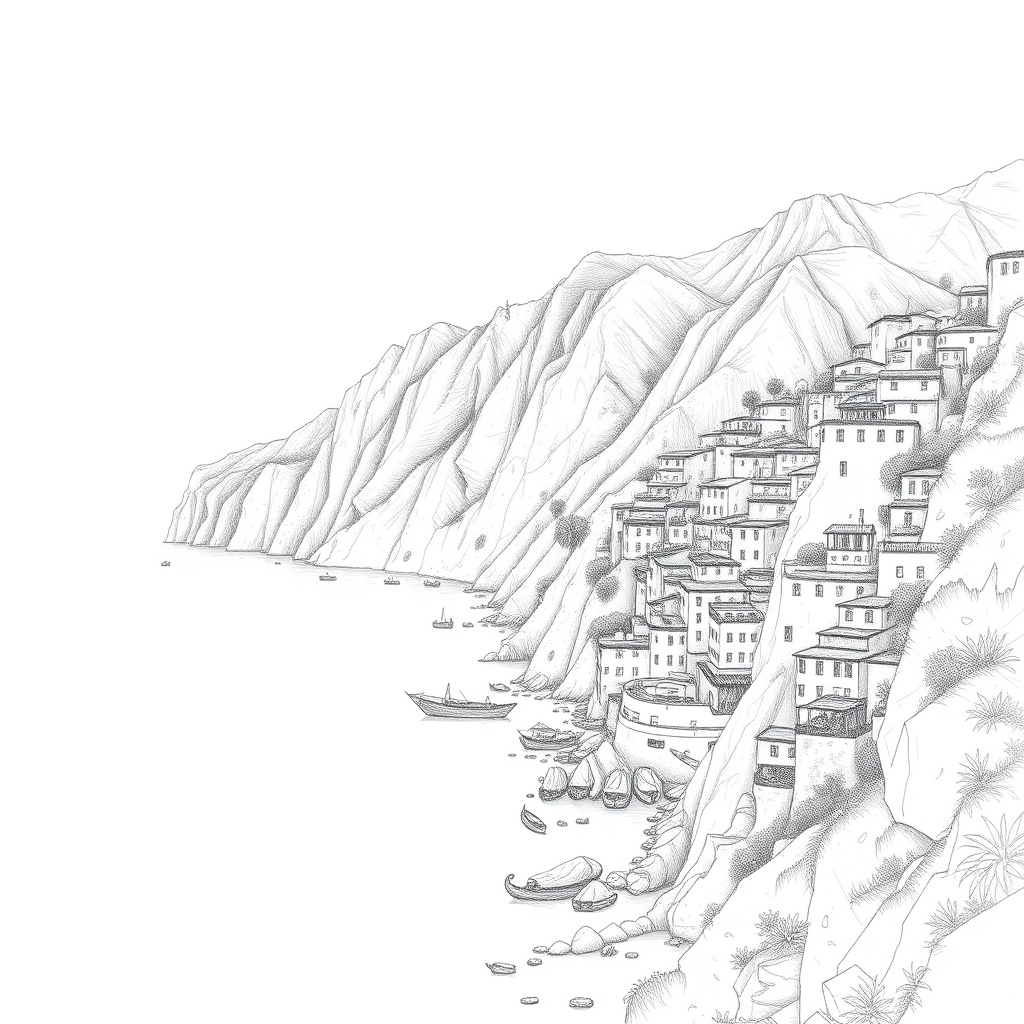
– Ravello: Perched above the sea, Ravello is renowned for villa gardens—Villa Rufolo and Villa Cimbrone—offering sweeping vistas and classical concerts.
– Lesser-known gems: Praiano and Atrani offer quieter stays with authentic dining, while Cetara and Minori deliver excellent seafood and pastry traditions without the heavy crowds.
Active experiences
Hiking is a standout way to appreciate the coastline. The Sentiero degli Dei (Path of the Gods) traverses high ridgelines with dramatic overlooks between Agerola and the area above Positano—bring sturdy shoes and water. Sea activities include private boat tours to hidden coves and sea caves, paddleboarding, and short excursions to nearby islands. For a cultural mix, pair a coastal walk with a visit to historic sites inland, like archaeological parks accessible by train or guided tour.
Getting around
Ferries are the most scenic and efficient way to hop between Amalfi, Positano, and Salerno, avoiding narrow coastal roads. Regular hydrofoil and boat options run during peak travel periods.
Driving the SS163 promises iconic views but requires patience: lanes are narrow, parking is scarce, and many villages enforce ZTL (limited-traffic) zones—consider a small car, or leave the car at a nearby lot and use ferries or buses. Local SITA buses and private shuttles link towns if sea travel isn’t possible.
Food and drink
Local cuisine centers on seafood, fresh pasta, and lemons. Taste the area’s limoncello, enjoy freshly caught fish—especially anchovies in fishing villages—and try regional sweets like sfogliatella or lemon-infused desserts. Markets and family-run trattorias are excellent for authentic flavors; dining later in the evening allows for cooler temperatures and lively piazza atmosphere.
Practical tips
– Book ferries and accommodation early during the busiest months, and confirm schedules the day before travel since services can change with weather.
– Pack comfortable shoes for cobblestones and stairs, sunscreen, and a reusable water bottle—tap water is often drinkable.
– Respect local customs: keep noise levels down at night, avoid littering, and support independent shops and restaurants.
– Safety: cliffside paths and boat trips are safe when using official operators and following guidance; watch children near cliffs and bring sun protection.
Sustainable travel
Choose licensed boat operators, avoid single-use plastics, and seek out accommodations and restaurants that prioritize local sourcing.
Small changes help preserve the coast’s beauty for future visitors and the communities that depend on tourism.
A visit to the Amalfi Coast blends scenic wonder with leisurely pleasures.
Whether wandering lemon-scented lanes, sailing past towering cliffs, or savoring seaside meals, the coastline offers an enduring charm that rewards both first-time visitors and return travelers.
