 admin
adminLondon’s rooftops are changing the way people experience the city. Once overlooked as utilitarian space, rooftops now host gardens, eateries, cinemas and wildlife havens that bring nature and culture to unexpected heights.
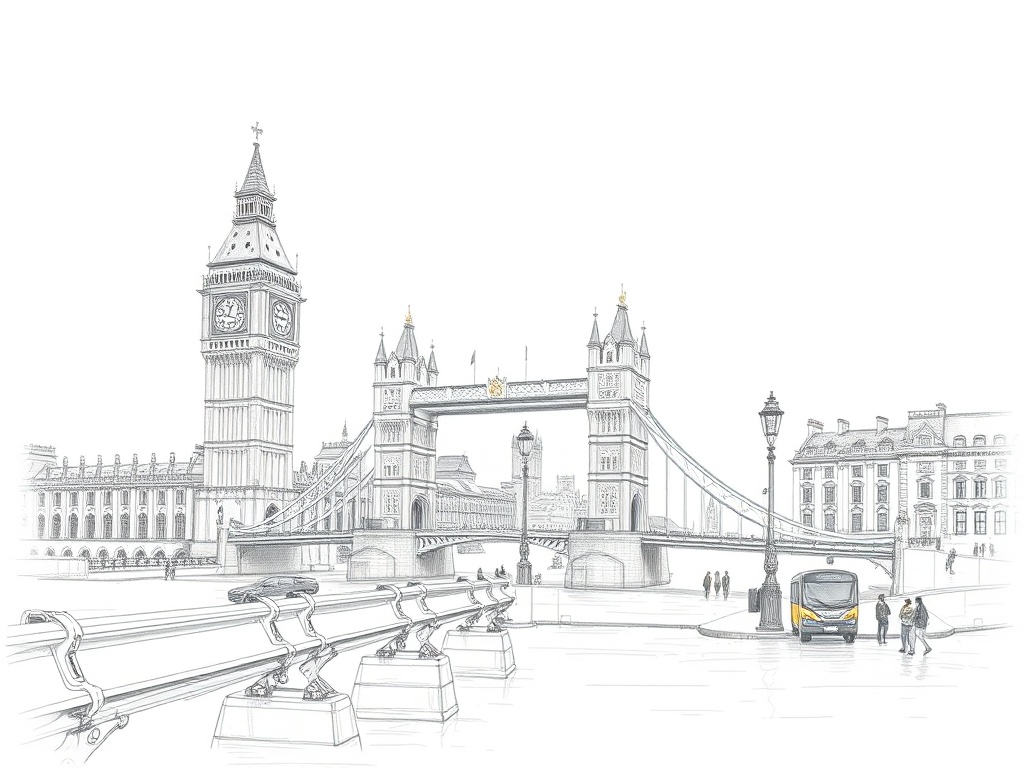
Whether seeking a quiet green retreat, panoramic skyline views, or a memorable evening out, rooftop destinations offer a fresh perspective on the capital.
Why rooftop green spaces matter
Rooftop gardens deliver practical and aesthetic benefits. They reduce urban heat, retain rainwater, improve air quality and create habitats for birds and pollinators. For residents and visitors, these elevated spaces provide escapes from street-level noise, intimate meeting spots and seasonally shifting plant displays. Many rooftops combine productive uses—like edible planting or beehives—with social programming such as yoga classes, film nights and pop-up dining.
Notable rooftop experiences to look for
– Public gardens and conservatories: Some elevated gardens open to the public create tranquil settings amid the skyline. These spaces often feature a mix of native and ornamental planting, plus seating areas and interpretive signage about urban ecology.
– Rooftop bars and restaurants: Dining with a view is a mainstay of rooftop culture. Venues range from relaxed terrace cafés to stylish cocktail bars offering curated menus and sunset panoramas. Bookings are recommended for popular spots.
– Cultural rooftops: Museums and theatres sometimes extend programming to roof terraces, hosting concerts, sculptural displays or family-friendly activities. Rooftop film nights and seasonal festivals also bring a lively atmosphere after dark.
– Community and edible rooftops: Community-led projects transform flat roofs into allotments and learning spaces where volunteers grow vegetables and herbs. These initiatives support local food resilience and provide opportunities to learn about urban growing techniques.
How to make the most of a rooftop visit
– Check access rules: Some rooftops are free, others require advance booking or timed-entry tickets. Look for accessibility information and any age restrictions before you go.
– Head up at off-peak times: Early morning or weekday afternoons tend to be quieter if you want a relaxed visit. Evenings offer dramatic lighting and social energy, but expect crowds.
– Dress for the weather: Rooftops are exposed to wind and sun.
Bring layers, sun protection and comfortable footwear.
– Respect the space: Many rooftop gardens serve as habitats for wildlife and rely on volunteer maintenance. Follow signage, avoid picking plants and leave no trace.
– Combine with nearby attractions: Pair a rooftop stop with a riverside walk, market visit or nearby museum to make the most of your day.
Why rooftop culture is growing
Rooftop spaces respond to a demand for outdoor experiences close to the city center. They align with broader sustainability goals by increasing green cover, managing stormwater and lowering building energy use. For local businesses and cultural institutions, rooftops offer unique venues that attract visitors and create distinctive programming.
Whether you’re a city resident seeking a new spot to unwind or a visitor looking for memorable views, London’s rooftop scene provides diverse options. From peaceful planted terraces to vibrant entertainment hubs, these elevated spaces showcase how the city is reclaiming the sky for people, wildlife and culture. Plan ahead, check access details and enjoy seeing London from a higher vantage point.
