 admin
adminThe River Thames is more than a waterway — it’s the spine of London life, connecting neighborhoods, culture, commerce and nature. Walk its banks and you’ll find a continuous mix of world-class attractions, revitalized docks, quiet wildlife havens and lively riverside bars. For anyone exploring London or rediscovering the city, the Thames offers an accessible route to see how historic fabric and modern urban planning come together.
A walkable riverfront
One of the most appealing aspects of the Thames is how walkable it is. Continuous promenades link major hubs like Westminster, the South Bank, Canary Wharf and Greenwich, making riverside walking one of the best ways to sample the city’s contrasts. Stroll past iconic architecture, public art and pop-up markets, then pause at a riverside café to watch commuter boats and pleasure cruisers glide by.
Cultural landmarks and hidden gems
The Thames corridor is lined with cultural anchors: theatres, museums and music venues that draw locals and visitors alike. While the big-ticket sites are unmissable, smaller galleries, performance spaces and historic pubs tucked away on side streets reward curiosity. Take a detour to explore converted warehouses, quirky bookshops and artisan food stalls that give the riverfront its lively, neighborhood feel.
Regeneration and mixed-use development
Former industrial docks have been transformed into mixed-use neighborhoods that prioritize public space, cycling routes and green roofs. Thoughtful redevelopment projects are balancing new housing, office space and leisure with pedestrian-friendly design.
Look for waterfront plazas, public art installations and improved sightlines to the river — all designed to make the Thames more accessible and enjoyable.
Nature and biodiversity
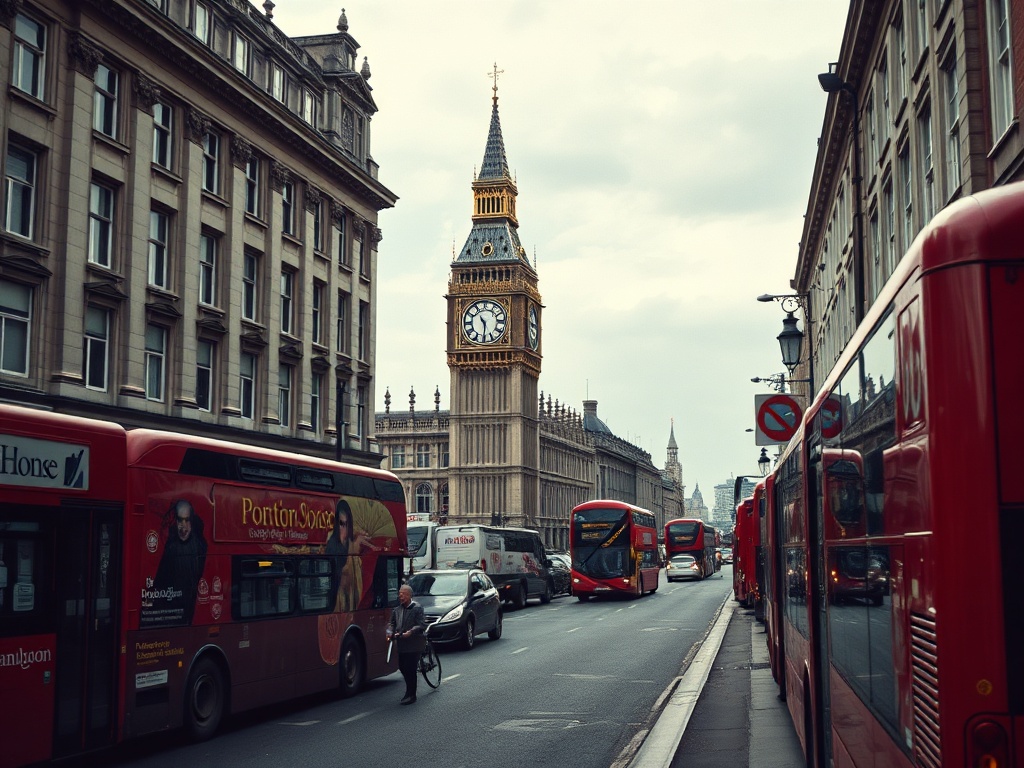
The Thames supports surprising biodiversity within the urban environment. Riverbanks, marshy inlets and pocket parks act as refuges for birds, fish and invertebrates.
Community-led cleanups and habitat-restoration projects have helped increase wildlife sightings, from kingfishers to seals in the estuary. For nature lovers, guided walks and volunteer conservation groups offer hands-on ways to learn about urban ecology.
Flood resilience and sustainable planning
Managing flood risk is a major priority along the Thames. A combination of movable barriers, tidal management and carefully designed riverside landscaping helps protect low-lying areas while creating resilient public spaces. New developments are increasingly using sustainable drainage systems, permeable surfaces and raised amenity areas to reduce flood impact and enhance long-term liveability.
Getting around and practical tips
– Use riverboat services for a scenic commute and to bypass busy roads. They connect many central piers and are a pleasant alternative to the Tube.
– Cycling is often quicker than driving; look for dedicated river-proximate cycle lanes and cycle-hire docking stations.
– Weekday mornings are quieter for peaceful riverside walks; weekends bring street food, arts markets and buskers.
– Bring layers and waterproofs — river breezes can be noticeable even on mild days.
Why the Thames matters
The river is a living example of urban evolution: a historic trade route that now supports culture, recreation, ecology and resilient infrastructure.
Whether you’re after a cultural crawl between museums, a scenic commute, or simply a tranquil riverside retreat, the Thames reveals how a major global city can knit together public life and natural systems. Explore its banks and you’ll find familiar landmarks and surprising new corners that keep London’s riverfront endlessly engaging.
