 admin
adminParis still rewards slow, curious travel—where iconic monuments sit beside quiet alleys, and everyday rituals like market shopping and café sitting feel like cultural immersion.
Whether this is a first visit or a return trip, blending classic sights with offbeat discoveries gives a fuller picture of the city.
Why revisit Paris now
Paris continues to evolve around better public spaces, greener transport, and a food scene that balances tradition with modern sustainability. Pedestrianized quays along the Seine, expanded bike lanes, and lively neighborhood markets make it easier to experience the city at human scale.
Neighborhoods worth exploring
– Le Marais: A compact mix of medieval streets, independent boutiques, and Jewish and LGBTQ+ heritage. Don’t miss small museums and the Marché des Enfants Rouges for casual, high-quality bites.
– Canal Saint-Martin: Ideal for strolls and people-watching at waterside cafés; it’s a favorite for relaxed evenings and independent shops.
– Belleville and Menilmontant: Street art, panoramic viewpoints, and a multicultural food scene reward those who wander beyond tourist corridors.
– Saint-Germain and the Latin Quarter: Classic literary cafés, bookshops, and atmospheric gardens like the Luxembourg make these areas timeless.
– Montmartre: For hilltop charm and village-like lanes—pick early-morning visits to avoid peak crowds.
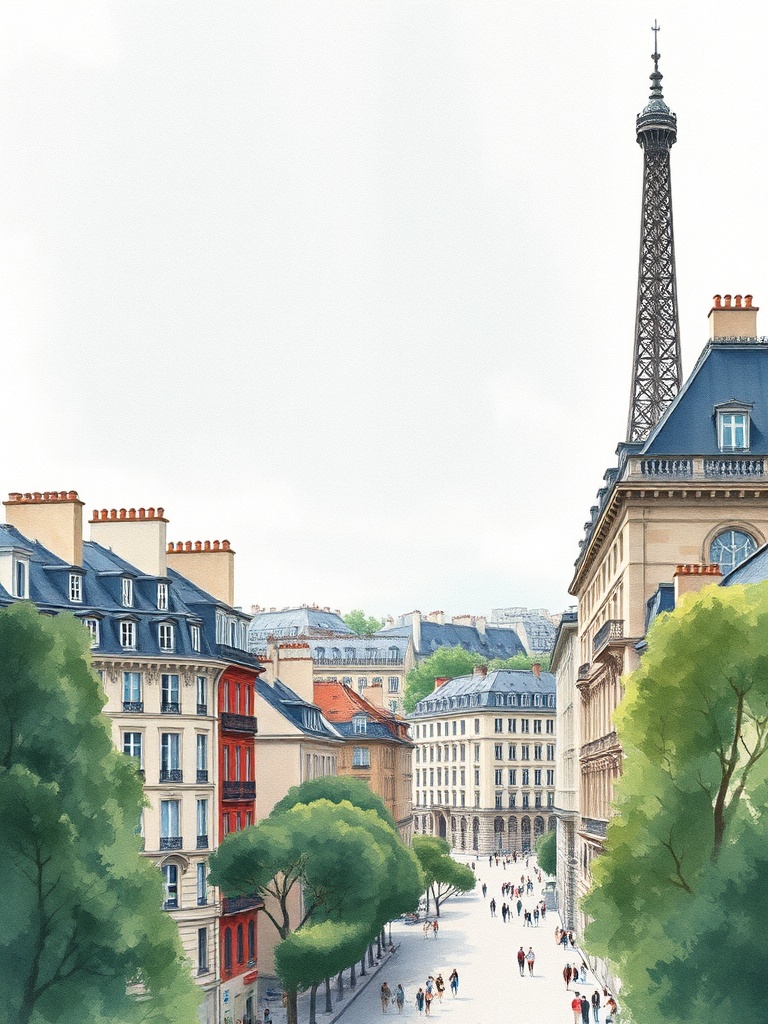
Food, markets, and dining trends
Parisian cuisine remains central to the city’s appeal. Daily life often revolves around local markets—Marché d’Aligre and Marché Bastille are excellent for fresh produce and convivial atmosphere. Bakeries and patisseries continue to excel; seek out neighborhood boulangeries for memorable croissants and pain au chocolat. Dining trends favor seasonal, locally sourced menus and a wave of small, high-skill bistros where technique meets modest prices—reservations are recommended for popular spots.
Culture beyond the headline museums
The Louvre and Eiffel Tower are essential, but smaller museums and contemporary spaces offer fresh perspectives. Look for collections devoted to impressionist masters, modern art, and design. Independent galleries, temporary exhibitions, and cultural centers across the city often showcase innovative work and local artists.
Getting around and practical tips
– Public transport is efficient: Metro, buses, and shared bikes (Vélib’) are convenient for short hops. Many travelers combine walking with transit to soak in street life.
– Use contactless payment where possible—cards are widely accepted, though small vendors may prefer cash.
– Learn a few French phrases and always greet with “bonjour” or “bonsoir” when entering shops and restaurants; politeness goes a long way.
– Pickpocketing can occur in busy areas—keep valuables secure and remain aware on crowded transport and tourist sites.
– Book timed-entry tickets for popular attractions to save waiting time.
Seasonal notes
Seasons shape how the city feels: spring blossom and café terraces, warm evenings for riverside strolls, and cooler months that invite cozy dining and museum days. Packing layers makes it easier to adapt to shifting weather during a single day.
Final thought
Paris remains a city of contrasts—formal and intimate, historic and experimental. Slow exploration, a readiness to stray from guidebook routes, and an appetite for food and culture will uncover the city’s enduring charms and new surprises around every corner.
