 admin
adminParis is evolving into one of Europe’s most walkable, bike-friendly capitals.
A long-running shift away from car-centric streets toward greener, quieter neighborhoods has changed how people commute, shop, and enjoy public space. For residents and visitors alike, understanding these changes helps you move around more easily and experience the city like a local.
What’s changing on the streets of Paris
City planners have prioritized pedestrians, cyclists, and public transport. Major avenues and riverbanks that were once dominated by traffic are being redesigned with widened sidewalks, cycle lanes, and planted medians.
Local initiatives temporarily close streets to cars on certain days, and more permanent transformations are converting former lanes into terraces, play areas, or pocket parks. The result is calmer streets, improved air quality, and more space for cafés and community life.
Cycling culture and infrastructure
Cycling is a central part of Paris’s new mobility landscape. A widely used public bike system makes short trips convenient, and cargo bikes and electric-assist models are increasingly common for shopping and deliveries.
Dedicated cycle lanes link residential neighborhoods to business districts and major attractions, while bike parking and repair stations have multiplied near transit hubs.
For anyone considering cycling in Paris:
– Choose a bike with an electric assist for hillier routes or longer commutes.
– Plan routes using local transit apps that integrate cycling and public transport.
– Lock your bike at designated secure racks and register it if offered by platforms.
– Wear visible clothing and follow local traffic rules; drivers are more aware now, but caution is still needed.
Seine riverbanks and public spaces
The transformation of the Seine’s riverbanks into pedestrian promenades is one of the most visible changes.
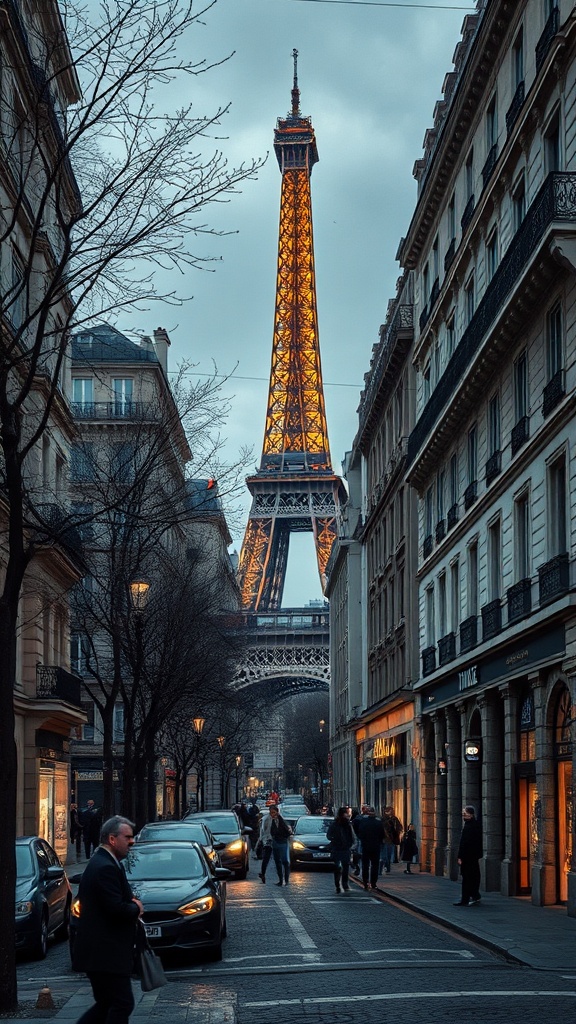
Waterside paths are ideal for walking, jogging, and picnics, and many areas host pop-up cultural events, small markets, and boat operators offering quiet sightseeing. Riverside cafés and shaded lawns invite lingering, making the river a year-round magnet for residents and visitors.
Public transport and seamless travel
Public transport remains the backbone of urban mobility. Frequent metro and bus services, paired with real-time apps, make it easy to avoid traffic and reach most points of interest quickly. Integration between bike-share systems and transit networks encourages mixed-mode journeys: cycle to a station, hop on a train, then walk the last stretch.
Tips for visitors who want to experience Paris like a local
– Walk more: Many iconic neighborhoods are best explored on foot, where hidden streets and small shops are discovered away from main sightseeing routes.
– Use mixed transport: Combine cycling, public transit, and short walks to cover more ground efficiently.
– Time outdoor stops: Early mornings and late afternoons offer softer light, quieter streets, and better seating at cafés.
– Respect local habits: Parisians value calm public spaces—keep noise moderate and follow seating rules at parks and terraces.
What to expect next
Expect continued emphasis on green mobility and reclaiming street space for people. New pedestrian links, improved crossings, and neighborhood-scale public spaces are likely to appear where traffic once ruled. That makes Paris increasingly pleasant to move through, whether you’re commuting, shopping, or simply enjoying a stroll along the Seine.
Embracing these shifts transforms how you experience Paris: less time stuck in traffic, more time outdoors, and a stronger sense of neighborhood life where public space feels inviting and accessible.
