 admin
adminAmalfi Coast: A Practical Guide to Italy’s Cliffside Jewel
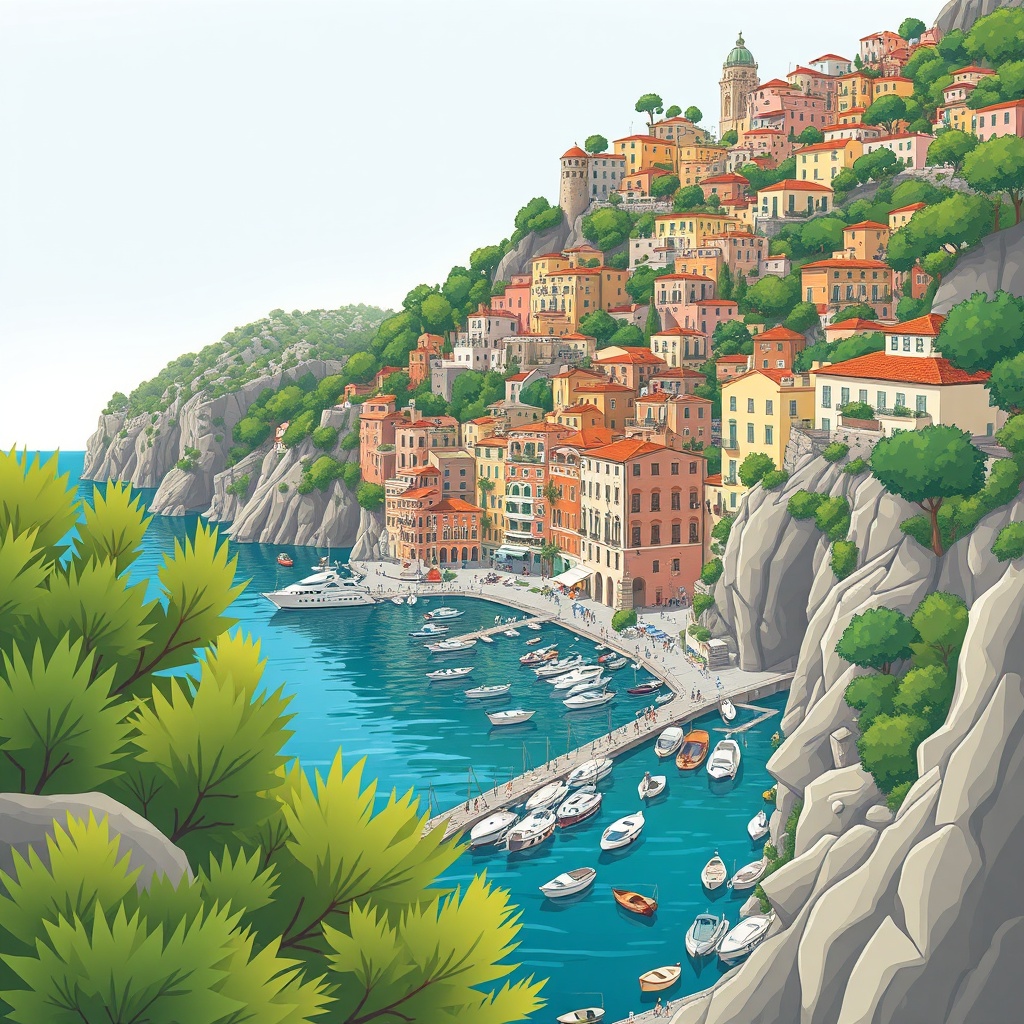
The Amalfi Coast is a shimmering ribbon of cliffside towns, lemon-scented terraces, and turquoise coves that reward travelers with dramatic views and a relaxed Mediterranean rhythm. Whether seeking culinary delights, coastal hikes, or a slow boat between villages, this coastline blends natural beauty with lively local culture.
Top towns and what to do
– Positano: Iconic for its pastel houses tumbling down to a pebble beach, Positano is ideal for boutique shopping, seaside dining, and sunset strolls along the marina. Expect steep lanes and plenty of steps—comfortable shoes are essential.
– Amalfi: The historic heart of the coast features a striking cathedral, lively piazzas, and a harbor that makes it a convenient base for exploring nearby towns by ferry.
– Ravello: Perched above the sea, Ravello offers tranquil gardens and panoramic terraces.
Music and arts thrive here, with concerts and cultural events that draw music lovers.
– Vietri sul Mare: Known for hand-painted ceramics, this town is perfect for collectors and anyone seeking artisan souvenirs.
Must-do experiences
– Path of the Gods (Sentiero degli Dei): This cliffside trail connects tiny mountain hamlets and offers sweeping coastal views.
Hikes vary in length and difficulty; bring water, sun protection, and sturdy shoes.
– Boat trips: Exploring by boat reveals secluded coves, sea caves, and dramatic sea cliffs.
Ferries link the coast’s main towns and offer an efficient alternative to winding roads.
– Limoncello and lemon groves: The region’s terraced lemon orchards produce the bright citrus flavor found in limoncello and many local recipes. Tasting a fresh limoncello is practically a rite of passage here.
– Culinary highlights: Fresh seafood, handmade pasta like scialatielli, buffalo mozzarella, and pastries such as sfogliatella showcase the coastal palette. Small family-run restaurants often deliver the most authentic meals.
Getting around
Transport options include ferries, local buses, and rental cars. Ferries are scenic and often faster between towns, while the coastal road (SS163) gives stunning views but requires cautious driving and patience during busy periods. Local buses navigate the route as well, though they can fill up quickly. For convenience, hiring a driver for a day or using private transfers can save time and stress.
Practical travel tips
– Timing: Mornings and late afternoons are best for sightseeing to avoid the busiest hours. For quieter experiences, explore smaller towns and inland paths.
– Packing: Bring layered clothing, sturdy walking shoes, sunscreen, and a refillable water bottle. Many shops and eateries prefer cash for small purchases, so have some on hand.
– Accommodation: Options range from cliffside boutique hotels in Positano to family-run guesthouses in Amalfi and Ravello. Booking early helps secure the best locations and rates during popular periods.
– Respectful travel: Stay on marked trails, support local businesses, and follow guidelines at private properties and sacred sites.
Sustainable choices
Choose ferries over private motorboats when possible, opt for locally produced food and crafts, and minimize single-use plastics. These small choices help preserve the landscapes and livelihoods that make the Amalfi Coast so special.
The Amalfi Coast remains a place where slow travel and sensory pleasures come together—sea, scent, and scenery. With thoughtful planning and a willingness to wander off the main streets, visitors can experience both the postcard panoramas and the quieter rhythms that define this celebrated coastline.
