 admin
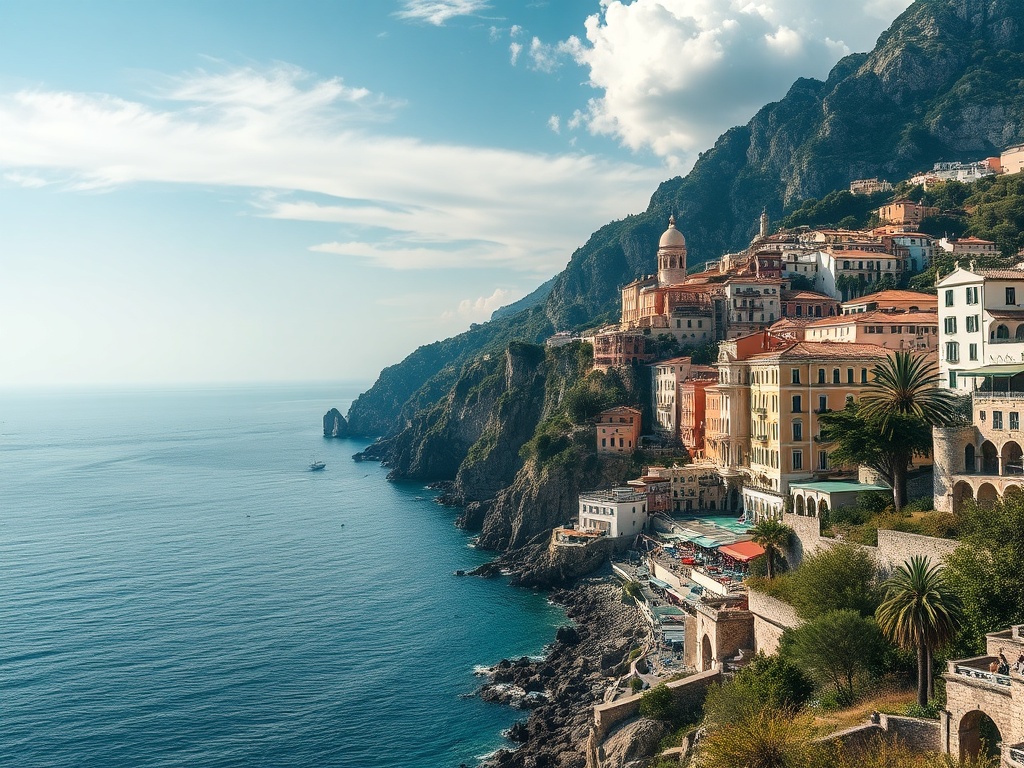
adminThe Amalfi Coast remains one of the most magnetic stretches of coastline in the world, where sheer cliffs tumble into turquoise sea, pastel villages cling to the rock, and lemon-scented terraces carve the landscape. Whether planning a first visit or returning to savor familiar corners, this coastline delivers a compact blend of dramatic scenery, historic charm, and delicious regional food.
What to see and do
– Positano: The postcard village of cascading houses, steep lanes, and chic boutiques. Walk down to Spiaggia Grande for people-watching, or take the path to Fornillo Beach for a quieter cove and seaside cafés.
– Amalfi town: Explore the bustling piazza, visit the striking cathedral with its Arabic-Norman influences, and wander narrow streets filled with artisan shops that sell ceramics and handmade sandals.
– Ravello: Perched above the coast with panoramic gardens, Ravello is known for serene viewpoints and classical music concerts in intimate venues.
Villa Rufolo and Villa Cimbrone offer terraces that frame expansive sea views.
– Boat trips and grottos: A private or shared boat is the best way to appreciate sea caves, hidden coves, and the dramatic coastline geometry. Look for smaller operators who offer custom routes to avoid crowded spots.
– Hiking: The Path of the Gods delivers one of the most breathtaking coastal hikes, offering dramatic vistas between villages.
Trails can be steep and exposed—good footwear and water are essential.
– Off-the-beaten-path: Visit tiny hamlets like Praiano or Atrani for a slower pace, sample local bakeries, and explore fjord-like inlets such as the one at Furore.
Food and local flavors
Lemons define the culinary profile here: limoncello, lemon granita, and delizie al limone (lemon desserts) appear across menus. Seafood is a daily staple—fresh catch grilled simply or served in light tomato-based sauces. Seek places that cook what’s caught that morning.
Pair meals with regional wines and finish with a sweet sfogliatella or a chilled lemon sorbet.
Getting around
Roads are narrow and winding; driving provides flexibility but can be challenging during busy periods and parking is limited.
Ferries and hydrofoils link major towns and are often the fastest and most scenic option. Local buses connect villages but can be crowded and slow. For short hops, consider a water taxi or renting a scooter if comfortable with coastal roads.
Where to stay
Accommodations range from cliffside boutique hotels with terraces to family-run guesthouses tucked into village backstreets. For iconic views and sunset moments, choose a property with a sea-facing balcony; for quieter nights, opt for smaller towns slightly off the main tourist track.
Sustainable travel tips
Respect narrow streets and historic structures—pack out what you bring in. Support local artisans and family-run eateries rather than international chains. Travel by ferry or on foot when possible to reduce congestion and preserve the coastal atmosphere that makes this destination so special.
Practical tips
– Pack light and comfortable shoes for stairways and cobblestones.
– Book popular boat trips and accommodations ahead during peak periods.
– Carry cash for small shops and markets, as some vendors accept only local currency.
– Start day trips early to enjoy views and attractions before crowds build.
Visitors leave the Amalfi Coast with memories of dramatic light, fragrant lemon groves, and the rhythm of coastal life. With a mix of active exploration and slow, sensory moments at sea-level cafés, this coastline rewards those who balance discovery with relaxation.
