 admin
adminWhy the Amalfi Coast remains irresistible
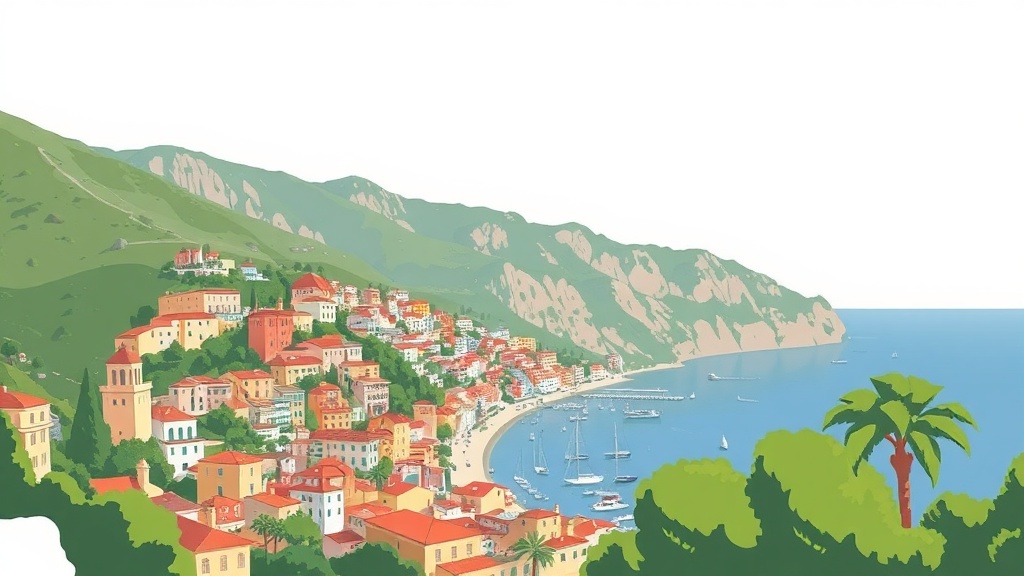
Sun-drenched cliffs, pastel villages stacked into the sea, and a coastline shaped by history and legend—this stretch of Mediterranean shoreline continues to be one of the most evocative travel experiences. Whether you’re after dramatic views, coastal hikes, fresh seafood, or slow Italian living, the Amalfi Coast delivers a compact mix of sensory pleasures.
Highlights you shouldn’t miss
– Positano: The iconic cascades of homes, boutique shops, and pebble beaches make Positano a classic stop. Wander the steep lanes, pick up local linen and ceramics, and time a sunset Aperol on the water.
– Amalfi and Atrani: Amalfi’s historic cathedral and marina pair well with the tiny, peaceful neighbor Atrani, where fewer crowds let you soak up village life.
– Ravello: Perched above the sea, Ravello offers gardens and panoramic terraces. Its calmer atmosphere makes it a great choice for quiet stays and cultural events.
– Path of the Gods (Sentiero degli Dei): For walkers, this dramatic ridge trail links mountain villages with breathtaking coastal panoramas.
Wear sturdy shoes, bring water, and start early to avoid heat and crowds.
– Hidden coves and sea caves: Boat trips reveal secret beaches, the Fiordo di Furore, and the emerald glow of the Grotta dello Smeraldo. Private or small-group tours beat crowded ferries for secluded stops.
Getting there and getting around
Major air and rail hubs nearby connect to the coast via ferry, hydrofoil, or road.
Ferries offer a scenic, traffic-free alternative between towns along the coast and to nearby islands. Driving the coastal road (SS163) is spectacular but narrow and winding—best approached with patience and confidence. Buses run frequently on the SITA lines, and many travelers combine a mix of water transport, buses, and walking.
Eat local, eat well
Citrus is everywhere: look for dishes and desserts featuring local lemons—limoncello, lemon desserts like delizia al limone, and bright, fragrant sauces. Seafood dominates: scialatielli ai frutti di mare, freshly grilled fish, and Cetara’s anchovy specialties such as colatura di alici. Don’t miss simple street treats like sfogliatella at a local pasticceria.
Where to stay
Options range from cliffside boutique hotels with dramatics views to family-run agriturismi inland. For quieter nights, consider smaller towns such as Praiano, Minori, or Scala instead of the busiest centers. If you’re driving, confirm parking availability when you book.
Travel tips for a better visit
– Pace yourself: The coast is best enjoyed slowly—long lunches, late afternoons on terraces, and relaxed boat rides.
– Visit early or late in the day to avoid peak crowds and hottest temperatures on trails and in towns.
– Support local artisans and family-run restaurants to ensure tourism benefits the community that preserves the area’s character.
– Respect marine protected areas and local regulations when snorkeling, anchoring, or diving.
– Pack layered clothing and good walking shoes; many streets are stepped and uneven.
Responsible travel matters
The Amalfi Coast faces pressure from heavy tourism; choosing less-visited villages, using public transport or ferries, and choosing small, local businesses all help reduce overtourism and protect the landscape. Thoughtful planning keeps the region vibrant for visitors and residents alike.
For anyone seeking dramatic beauty, memorable food, and a dose of Italian dolce vita, the Amalfi Coast remains a compelling destination—best experienced slowly, respectfully, and with a sense of wonder.
