 admin
adminParis is following a clear trend: the river that runs through its heart is no longer just a backdrop for postcards — it’s a living, walkable public space that draws locals and visitors into everyday city life.
The Seine’s evolving riverfront blends culture, green infrastructure, and relaxed urban living, making it one of the best ways to experience the city beyond museums and monuments.
What to expect when walking the Seine
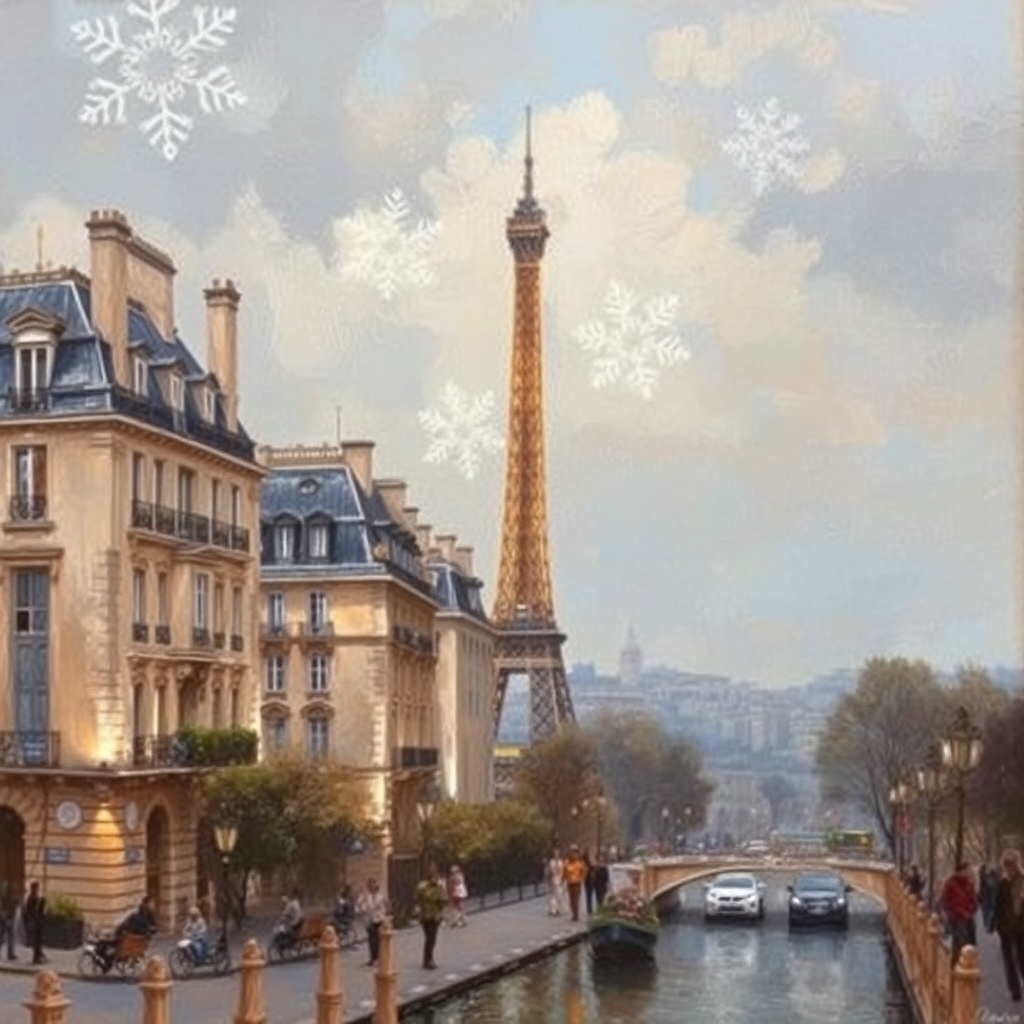
Start where the city’s historic islands meet: narrow streets of Île Saint-Louis lead into the bustle around Notre-Dame and Île de la Cité.
From there, stroll west along either bank and you’ll find a changing sequence of scenes — bookstalls, cafés spilling onto quays, temporary beaches in warm months, and stretches reserved for pedestrians and cyclists. The evolving pathways make it easy to amble past the Louvre, the Tuileries, and onward toward the golden arches of the Eiffel Tower.
Green infrastructure and softer banks
There’s a noticeable push toward greener, softer river edges.
Native plantings, reed beds, and pocket parks are increasingly used to improve biodiversity and manage floodwater naturally. These measures create quieter spots for birdwatching and city escape, even just a few steps from traffic arteries.
Efforts to keep some riverside stretches car-free give priority to walking and cycling, encouraging a calmer, less noisy riverside culture.
Cultural pulse on the water’s edge
The Seine is a stage for cultural life: open-air concerts, temporary art installations, and curated markets appear frequently, often in repurposed industrial spaces near the water. Small performance venues and riverside bars light up after dark, offering a more intimate nightlife compared with the tourist hubs. For a scenic, relaxed overview, opt for a short river cruise — they’re a gentle way to see a string of landmarks while learning about the city’s architectural layers.
Practical tips for an unforgettable riverside day
– Time your walk for late afternoon light. The golden hour brings out the best in façades and bridges.
– Pack a picnic. Many locals gather on the quays with cheeses, bread, and wine; choose a quieter stretch to avoid crowds.
– Use bike-share services to cover longer distances quickly; dedicated cycle lanes make this pleasant and efficient.
– Keep an eye on water levels and local guidance; sections may be gated or closed temporarily for safety or events.
– Explore side streets off the main quays to find independent cafés, bakeries, and secondhand bookstores.
Hidden corners worth discovering
Branch away from the main tourist path to discover converted warehouses hosting creative events, secret gardens tucked behind high walls, and small ferry crossings that offer unique perspectives of the city. The islands still retain intimate atmospheres, with centuries-old architecture and narrow riverside promenades perfect for leisurely discovery.
Why the Seine matters now
The recent focus on reclaiming the river for people reflects a broader urban mindset: prioritize environmental resilience, encourage active mobility, and create high-quality public space. These shifts make a riverside visit more than sightseeing — it’s an invitation to experience how daily life in the city is changing.
Whether you have a few hours or a full day, set aside time to walk the Seine slowly. The river reveals Paris as a living place — full of texture, unexpected quiet, and moments that linger long after you’ve left the quay.
